Academic Life in Spain

Public vs. Private Education in Spain
Structure of the Spanish Education System
Early Childhood (Infantil, ages 0–6)
Spain offers two cycles of Infant Education. The first (0–3 years) is optional and typically provided by private nurseries or childcare centers. The second cycle (3–6 years) is free in public schools but still voluntary.

Children grow language and social skills in playful settings.
Curriculum and Daily Routine

Primary Education (Primaria, ages 6–12)
From age 6, children attend Primaria, which is compulsory and tuition-free in public schools (often including books in some regions). Over six years, they learn reading, writing, maths, science, art, and social skills in a supportive class setting.

They build foundations in literacy, numeracy, and citizenship.
Key Competencies and Curriculum Areas

Core areas include:
-
Languages: Spanish and co-official regional languages, plus foreign languages.
-
Mathematics and Sciences: Logical-mathematical reasoning and natural/social sciences.
-
Arts and Physical Education: Creativity, visual arts, music, and physical development.
-
Digital and Social Skills: Responsible technology use and collaborative work.
Compulsory Secondary Education (ESO, ages 12–16)
At 12, students enter ESO, a four-year program covering core subjects like languages, math, physics, and physical education. ESO combines theory with practical work and pushes students to think critically.

Organizational Framework
ESO is compulsory and free, lasting four years (1st–4th ESO), with the possibility to remain until age 18 if needed. The curriculum, established by Real Decreto 217/2022, combines mandatory core subjects and optional subjects chosen by each student, preparing them for Bachillerato.
Core and Optional Subjects
-
Core: Spanish Language & Literature, Mathematics (Academic or Applied), Sciences (Biology, Physics & Chemistry), History, Foreign Language, Physical Education, Ethics or Religion.
-
Optatives: Arts, Technology, Latin, Second Foreign Language, and others depending on the Autonomous Community.
Support and Guidance

Each student has an assigned tutor and guidance program to support academic, personal, and vocational decisions, fostering autonomy and reducing dropout rates.
Post-Compulsory Paths (from age 16)
Once students finish ESO, they choose between:
Bachillerato (16–18)
Vocational Training
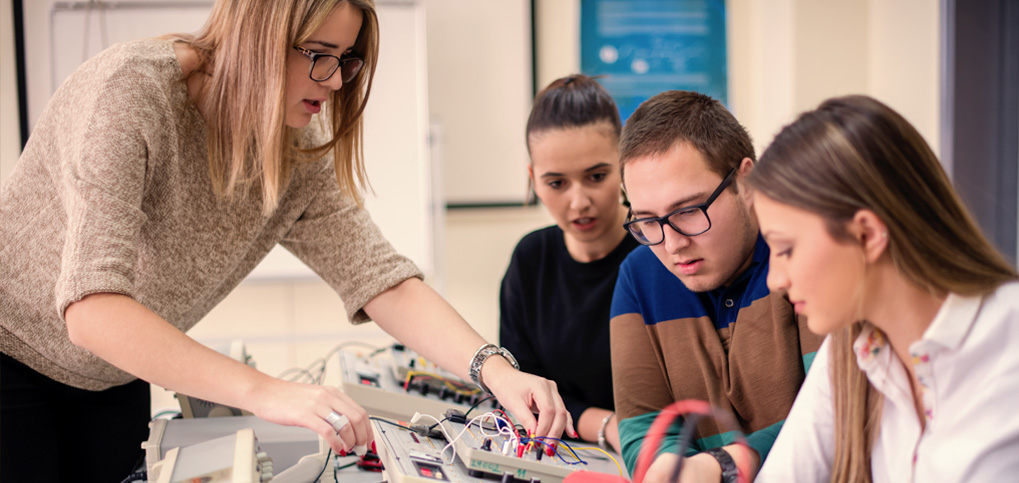
Offers medium (Ciclo Formativo de Grado Medio) and higher (CFGS) levels for career-oriented skills, like nursing. Vocational students begin hands-on training in workshops or industry placements.
University (from age 18)
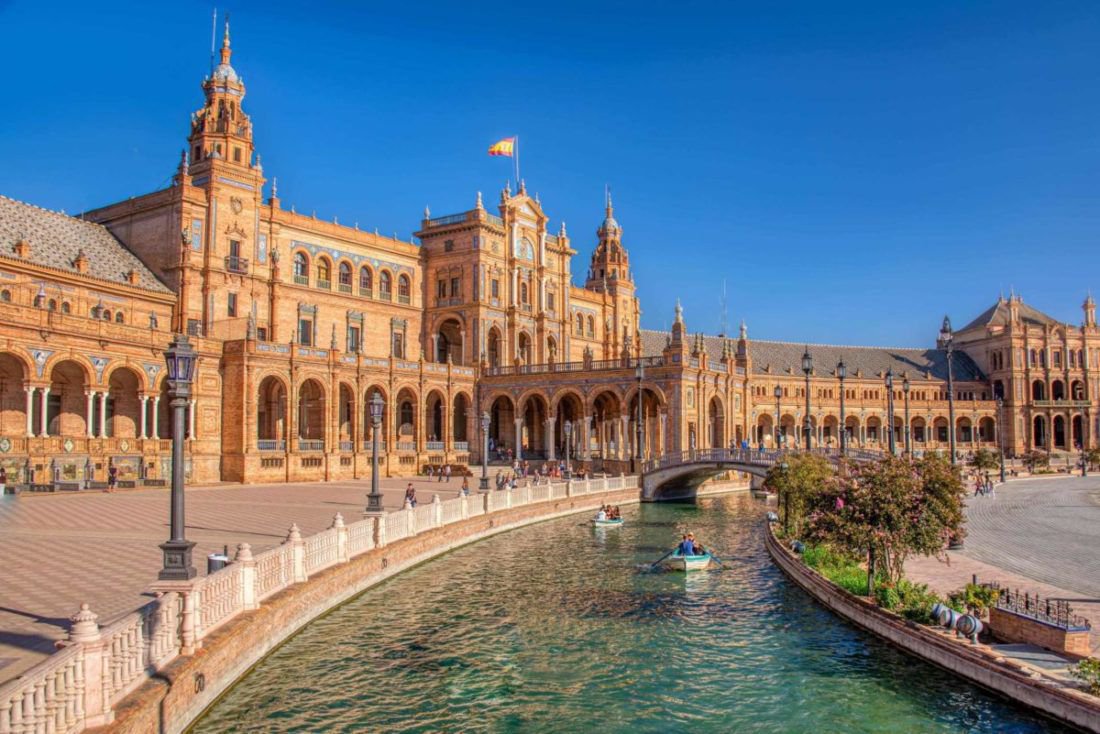
Universities grant undergraduate, master's, and doctoral degrees. The academic year runs September–June, often split into two semesters with exams in January and May–June.
Freshers (primeros) attend lectures, seminars, and group tutorials. They form study groups over coffee, balance part-time work, and enjoy campus clubs ranging from flamenco to robotics.
Grading System in Spain
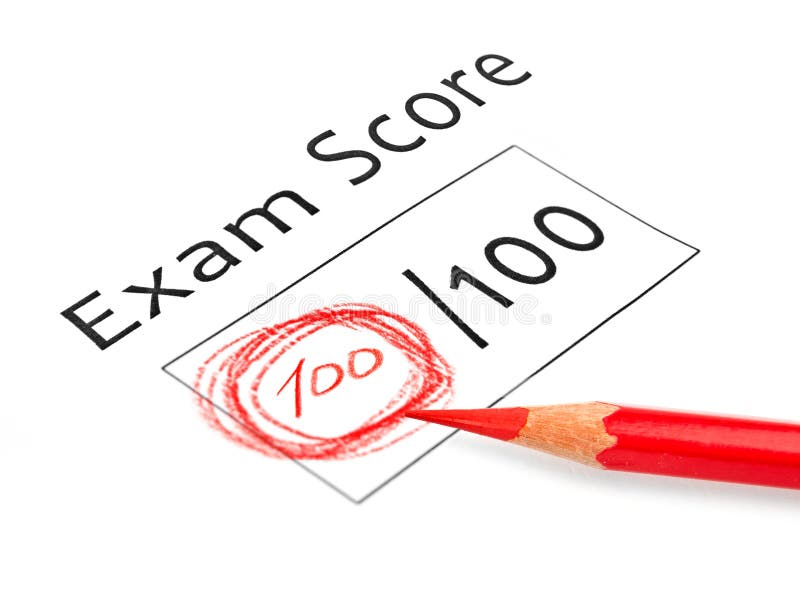
Primary, Secondary and University Education
Spain employs a 0 to 10-point grading scale:
-
9–10: Sobresaliente (Outstanding)
-
7–8.9: Notable (Remarkable)
-
5–6.9: Aprobado (Pass)
-
0–4.9: Suspenso (Fail)
An exceptional grade, Matrícula de Honor, may be awarded to students achieving excellence, typically limited to the top 5% of the class.
The Matrícula de Honor distinction is also applicable at the university level, offering benefits such as tuition fee waivers for the subsequent academic year.
An extra “honor roll” distinction for top ~5% in each class; it can waive tuition fees at university.
University Admission: The "Selectividad" Exam (EBAU)
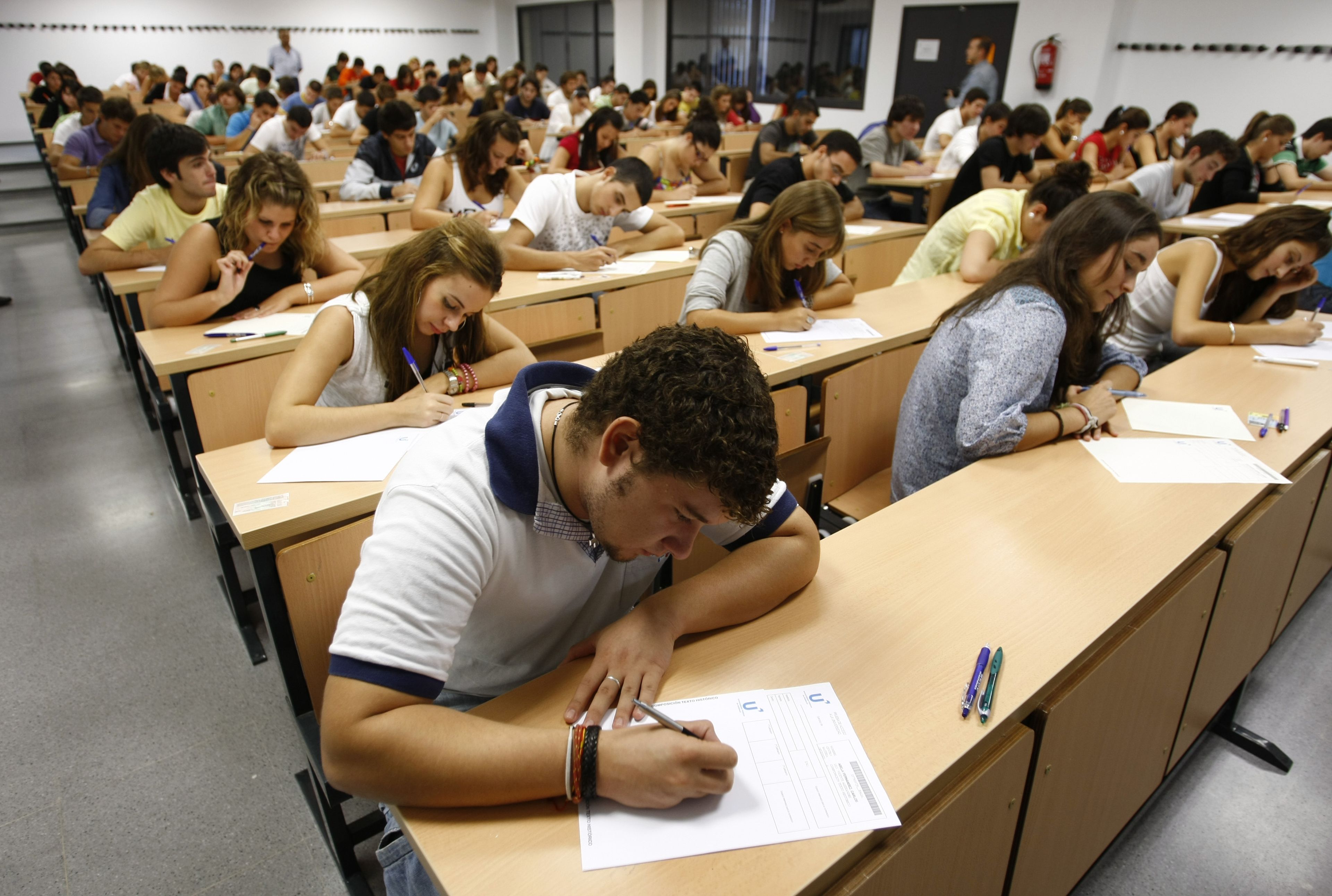
To gain entry into Spanish universities, students must pass the "Evaluación de Bachillerato para el Acceso a la Universidad" (EBAU), commonly known as "Selectividad." This exam assesses knowledge in core subjects and is a prerequisite for university admission.
The EBAU is divided into two phases:
Mandatory Phase
This phase evaluates general competencies and includes the following subjects:
-
Spanish Language and Literature.
-
First Foreign Language (usually English, but options include French, German, Italian, or Portuguese).
-
History of Spain or History of Philosophy.
-
A core subject related to the student's Bachillerato track (e.g., Mathematics, Latin, or Art Fundamentals).
-
Co-official Language (in regions with a second official language, such as Catalan, Galician, or Basque).
Each exam typically lasts 90 minutes, though recent reforms have increased the duration to 105 minutes.
Voluntary Phase
Students can choose up to four additional subjects to improve their admission score. These subjects are usually aligned with the student's intended university degree and can add up to 4 extra points to the final score.
Scoring and Admission
The final admission score is calculated using the following formula:
Admission Score = (0.6 × Bachillerato GPA) + (0.4 × Mandatory Phase Score) + (Voluntary Phase Bonuses)
-
Bachillerato GPA: The average grade from the two years of Bachillerato.
-
Mandatory Phase Score: Average of the exams in the mandatory phase.
-
Voluntary Phase Bonuses: Additional points from the voluntary phase, calculated by multiplying the exam scores by weighting factors (0.1 or 0.2) depending on the relevance of the subject to the chosen degree.
The maximum possible admission score is 14 points.
Exam Fees
For international students:

University Life in Spain
Academic Environment
Academic Routine
Accommodation and Costs
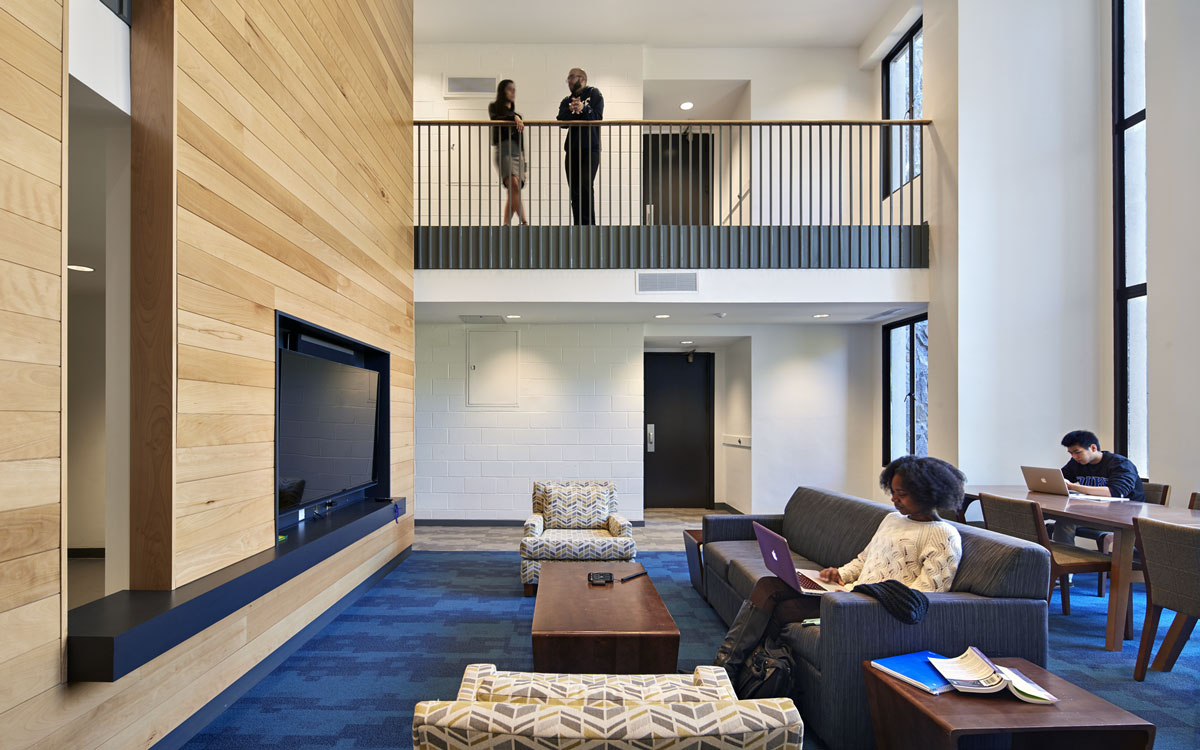
Public dorms and private flats are common.

Average rent in Madrid or Barcelona ranges €400–€700/month for a shared flat; smaller cities like Valencia or Granada can be €250–€450.
Student residence halls cost €500–€800/month but include utilities and cleaning services.
Social and Cultural Life

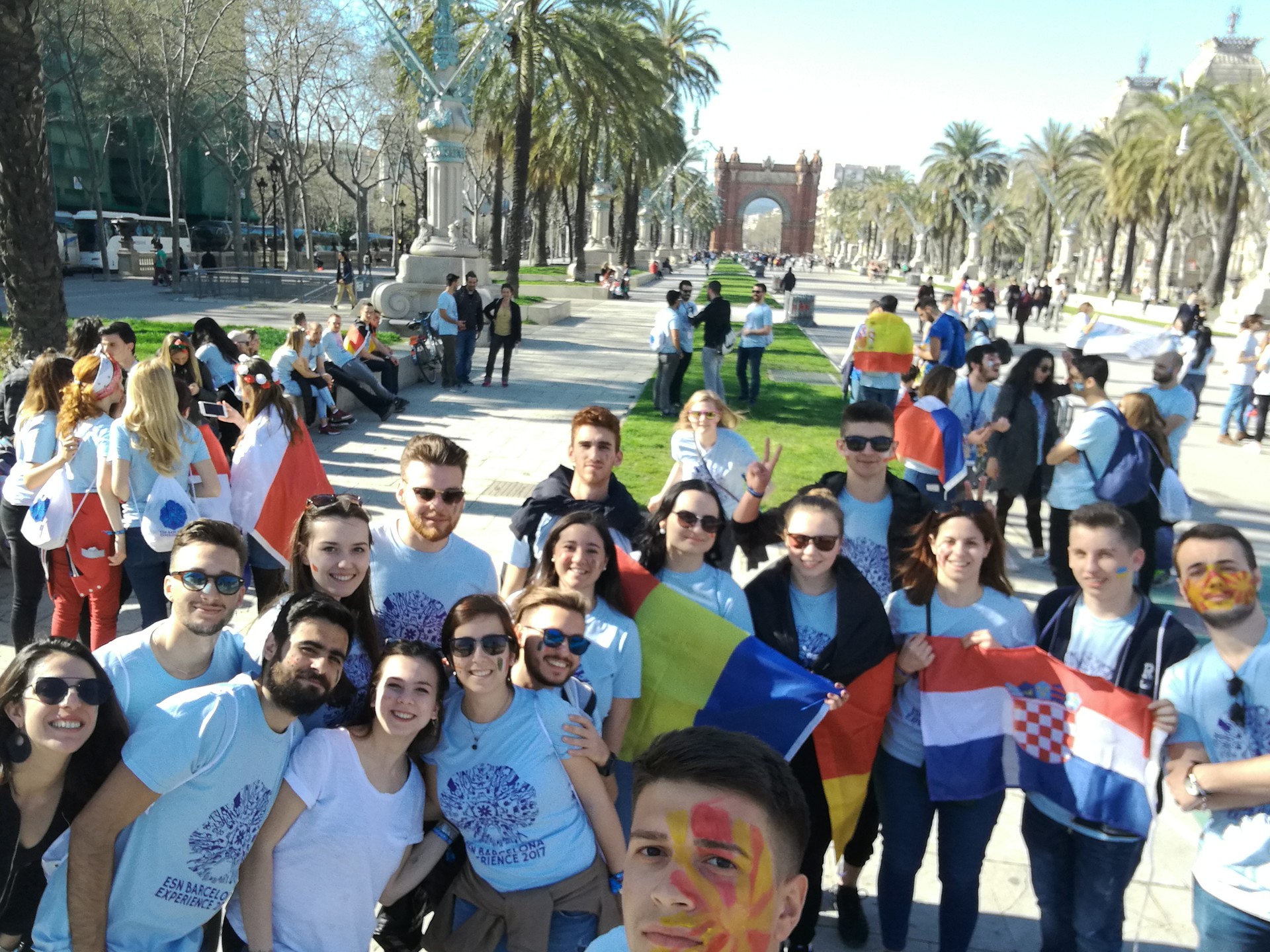
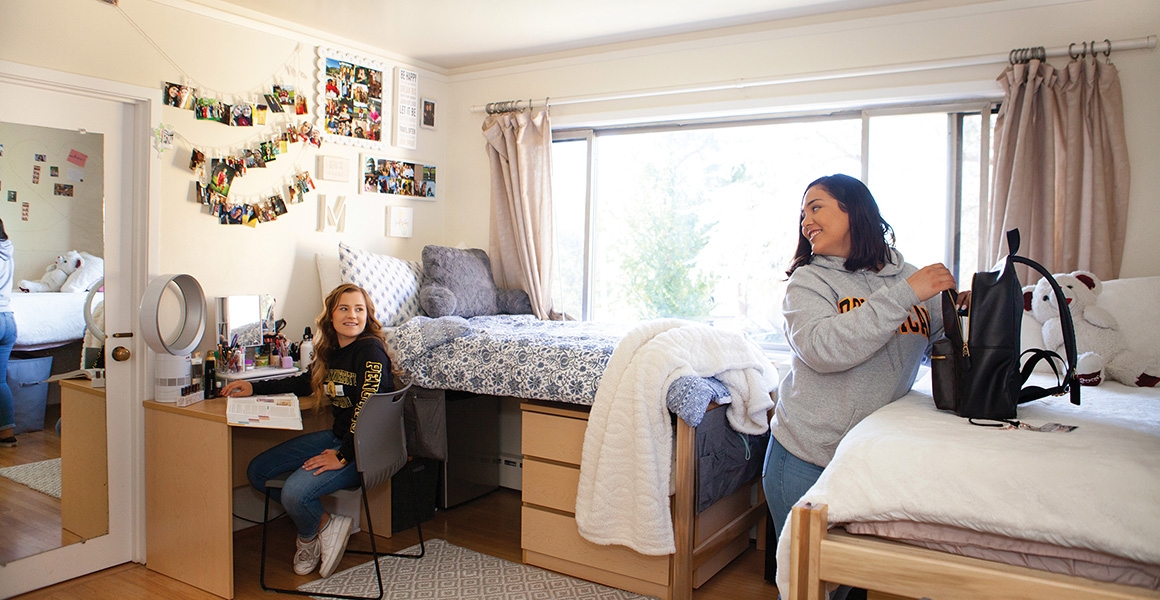
Spanish student culture revolves around “sobremesa” (long chats after meals), tapas nights, and weekend trips. Many universities organize cultural clubs, sports teams, and language tandems to mix locals with internationals.
Public vs. Private Universities


Comments
Post a Comment